

November is when Yosemite changes gears. The high country shuts down under its first snow, the crowds thin out, and driving becomes the part of the trip that needs the most planning. This guide covers which roads are open, when you’ll need tire chains, and how to make a late-fall visit go smoothly.

Which roads are open
As of the National Park Service’s October 30, 2026 conditions update:
- Tioga Road: temporarily closed due to snow. There is no overnight parking on the road or in its lots.
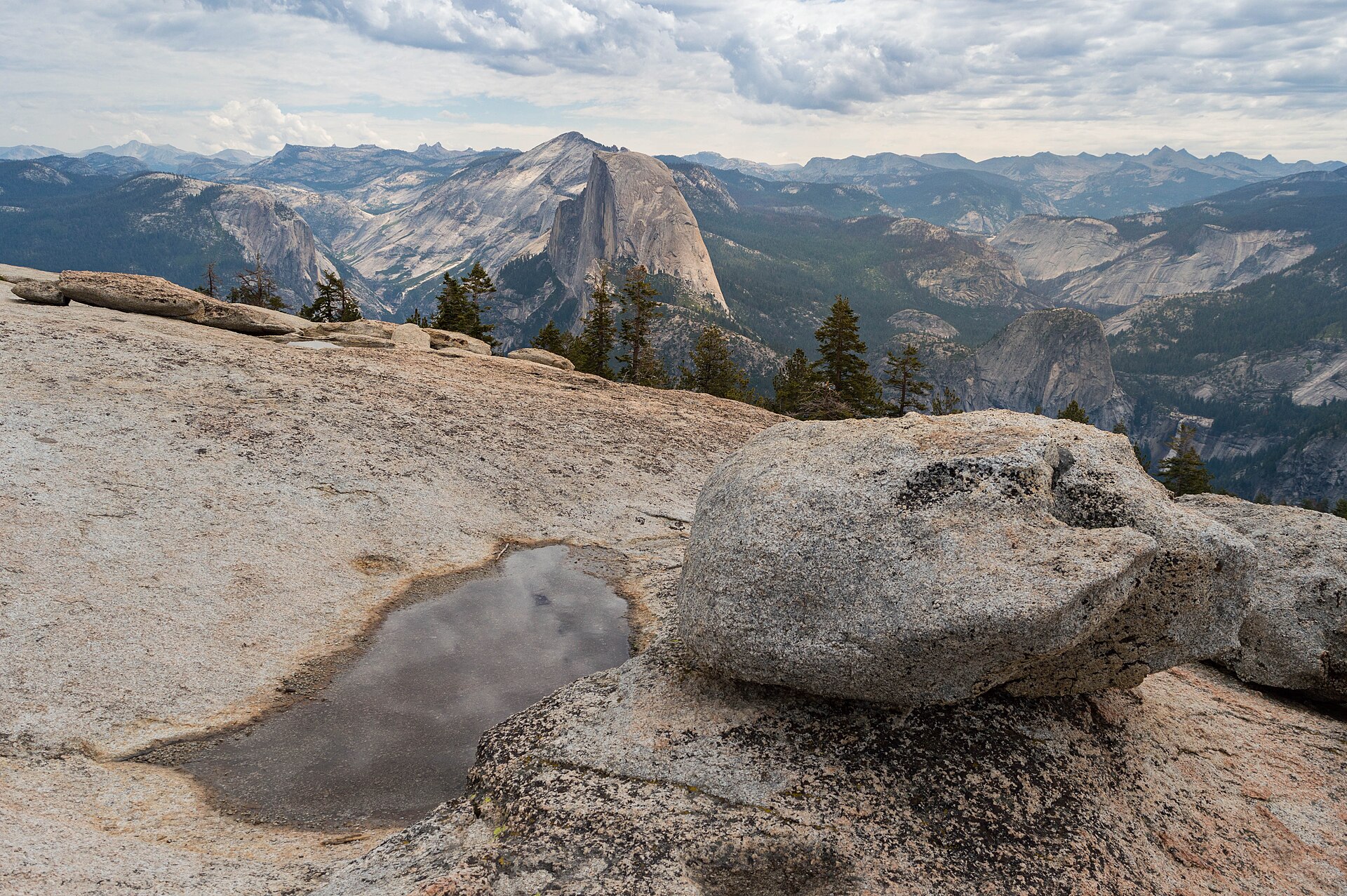
- Glacier Point Road: temporarily closed due to snow, also with no overnight parking.
- Wawona Road (Highway 41), El Portal Road (Highway 140) and Big Oak Flat Road: open.
- Yosemite Valley roads: open.
- Hetch Hetchy Road: open from sunrise to sunset, and closed when it is snowing or snow is forecast overnight.
The park keeps its main year-round roads open, but “open” can change fast when a storm rolls in. The NPS says its online conditions page only reflects planned or long-term closures, so call 209-372-0200 (press 1, then 1) for the latest road information before you leave.

Plan for tire chains
This is the rule that catches the most visitors off guard. The NPS says that if you’re visiting any location in Yosemite from November through March, you should expect chain requirements to be in effect, even if you only plan to stay in Yosemite Valley and use the free shuttle.
- Everyone carries chains. Whenever chain controls are in effect, all vehicles must have chains in their possession. That includes four-wheel-drive vehicles and rental cars, and all-season tires don’t exempt a rental.
- Some roads need them more often. Because higher roads get more snow, chains are required on Wawona Road, Big Oak Flat Road and Badger Pass Road more often than on El Portal Road, roads inside Yosemite Valley and Hetch Hetchy Road.
- It’s enforced. You can be cited, with fines up to $5,000, if you don’t put chains on when they’re required. The speed limit in chain control areas is 25 mph.
Buy or rent chains that fit your tires before you reach the mountains, and practice putting them on in a dry driveway. It’s much easier there than on a snowy shoulder.
What to do instead of the high country
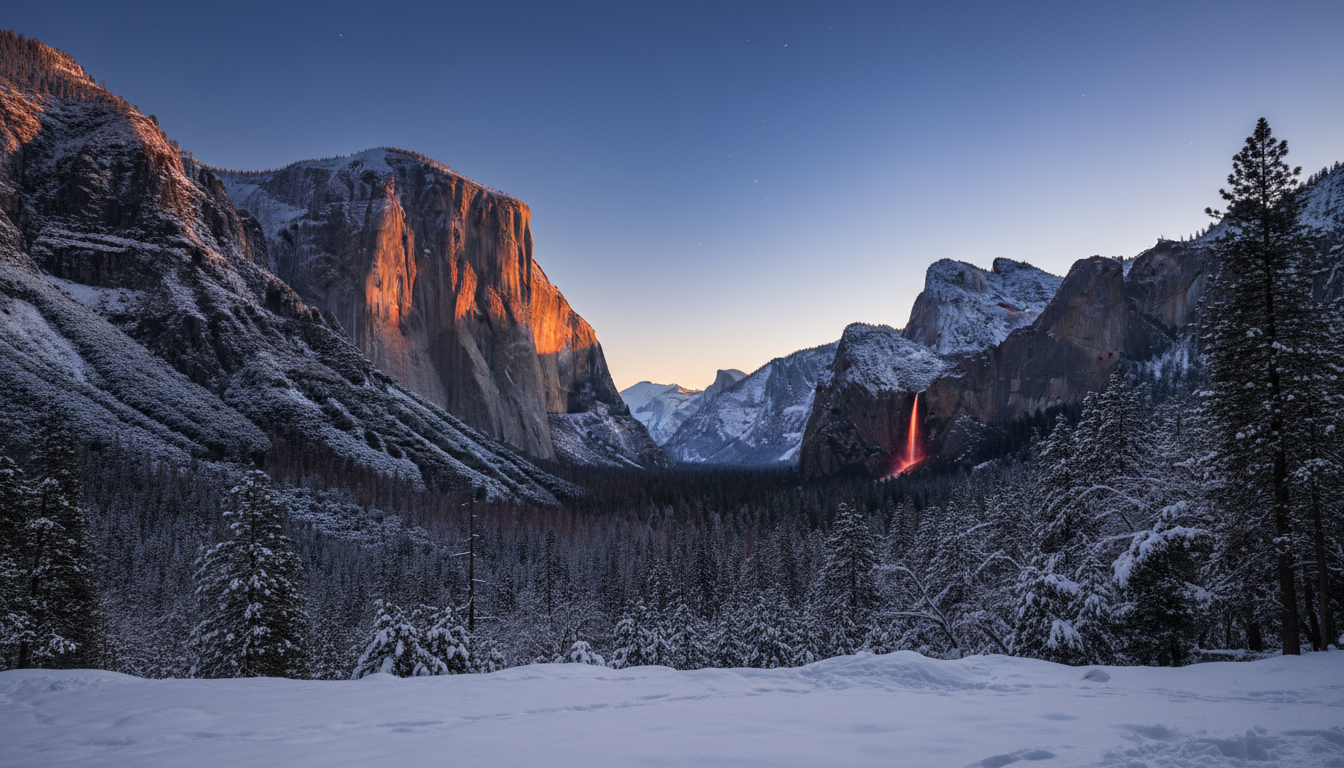
With Glacier Point Road and Tioga Road closed, the valley floor is where the action is. Our guide to the best Yosemite Valley hikes when the high country closes has options from a 30-minute waterfall loop to a full-day climb. Waterfalls run low this time of year, but the crowds are smaller and the light is soft.

Two other notes from the NPS conditions page: the Half Dome cables are down for the season, and the El Capitan Bridge trail is closed on weekdays through December.
Lodging and camping
Lodging reservations are available and recommended up to 366 days in advance through Yosemite Hospitality. For camping, Upper Pines and Camp 4 are open and require reservations, Wawona requires reservations, and Hodgdon Meadow is first-come, first-served. The other campgrounds are closed for the season.

Late-fall driving checklist
- Call 209-372-0200 (press 1, then 1) for current road and chain information before you go.
- Carry chains that fit your tires, even if the forecast looks clear.
- Fill your tank and pack water, warm layers and snacks before you enter the park.
- Don’t plan to leave a car overnight on Tioga Road or Glacier Point Road, where overnight parking isn’t allowed.
- Allow extra time. Weekday construction delays of about 15 minutes are possible on Big Oak Flat Road.
Information checked November 4, 2026, against the National Park Service pages for current conditions, winter road information and tire chains (conditions last updated October 30). Conditions change quickly, so check the NPS before you go.
Leave a Reply